Discover a Jewish tradition
🌳 Tu BiShvat for kids
Tu BiShvat is the New Year for Trees on the fifteenth day of the Hebrew month of Shevat. It marks a boundary used in traditional rules concerning fruit trees and has become an occasion to appreciate trees and the natural world.
Many families eat fruit, especially fruits associated with the land of Israel. The seven species are wheat, barley, grapes, figs, pomegranates, olives and dates. Some communities hold a special fruit meal called a Tu BiShvat seder.
Look closely at a leaf, plant a seed in a suitable season or learn which trees grow near your home. The coloring pages include roots, fruit and blossoms, offering different ways to explore how a tree lives.
Dates for 2026 and 2027
2026
Begins: Sun, February 1, 2026 at sunset
Ends: Mon, February 2, 2026 at nightfall
2027
Begins: Fri, January 22, 2027 at sunset
Ends: Sat, January 23, 2027 at nightfall
Dates begin on the preceding evening. Candle lighting is before sunset when welcoming Shabbat; exact local times require a location. These dates are not candle-lighting times.
Calendar reference: Hebcal holiday calendar. Dates are calculated with the site's Hebrew calendar conversion.
A blessing to learn together
Fruit of the tree
Said before eating tree fruit. Not every food on a fruit plate takes this blessing.
בָּרוּךְ אַתָּה ה׳ אֱלֹהֵינוּ מֶלֶךְ הָעוֹלָם, בּוֹרֵא פְּרִי הָעֵץ.
Transliteration
Barukh atah Adonai, Eloheinu melekh ha-olam, borei peri ha-etz.
Meaning in English
Blessed are You, Lord our God, ruler of the universe, who creates the fruit of the tree.
Traditional Hebrew wording reused from the site's blessing collection; English translation written for this page. This is a learning excerpt, not a complete service. The Hebrew spelling ה׳ stands for the divine name; follow your teacher's practice when learning aloud.
Tu BiShvat coloring pages
My Tu BiShvat tree
Open and print →Almond blossom branches
Open and print →The seven species of the land
Open and print →A pomegranate for Tu BiShvat
Open and print →A bunch of Tu BiShvat grapes
Open and print →Happy Tu BiShvat in Hebrew
Open and print →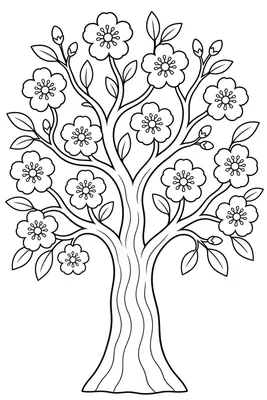
A blossoming almond tree
Open and print →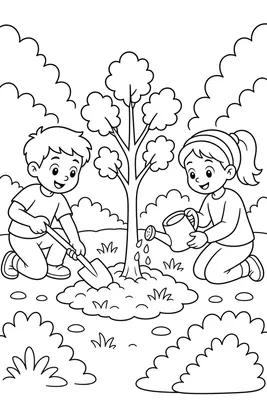
Children planting a tree
Open and print →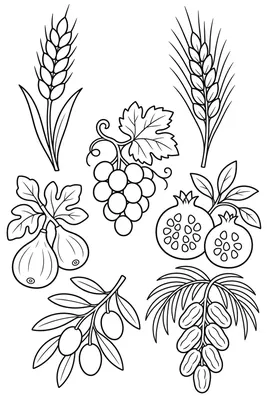
Seven species coloring collection
Open and print →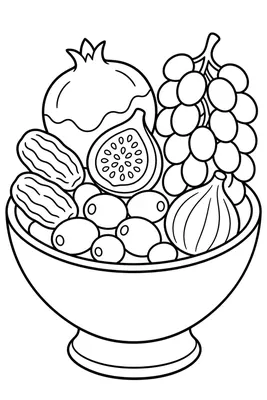
A bowl of fruit for Tu BiShvat
Open and print →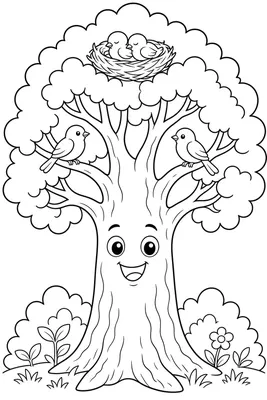
A smiling tree with birds
Open and print →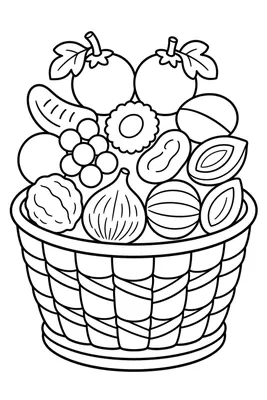
A basket of dried fruit
Open and print →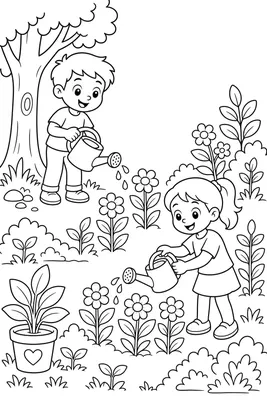
Children watering a garden
Open and print →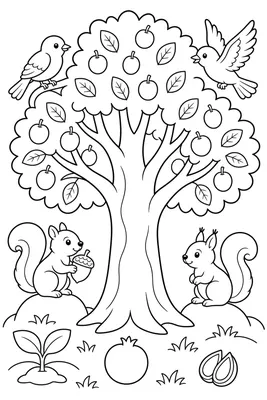
A fruit tree with squirrels and birds
Open and print →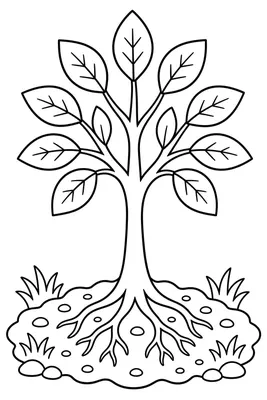
A tree and its roots
Open and print →Match the holiday words
Learn four words in English and Hebrew. Point to each pair together before trying the mixed-up version. The second printed page is an answer key.
tree — עץ
fruit — פרי
leaf — עלה
seed — זרע
Frequently asked questions
Does Tu BiShvat always fall in spring?
No. It follows the Hebrew calendar and usually falls in January or February. Local weather and planting seasons depend on where you live.
Can I print the Tu BiShvat activities?
Yes. The word match includes a separate answer page, and each coloring drawing has its own print or PDF button. Prepare materials in advance if your family avoids writing or printing on the holiday.
Why do some dates differ between Israel and abroad?
Some festivals have an additional day in many communities outside Israel. Use the calendar selector and follow your local community calendar.
Explore more: All Jewish holidays, and Learn Hebrew letters.